How Moon Phases Affect Fish Bite — Explained in Plain English
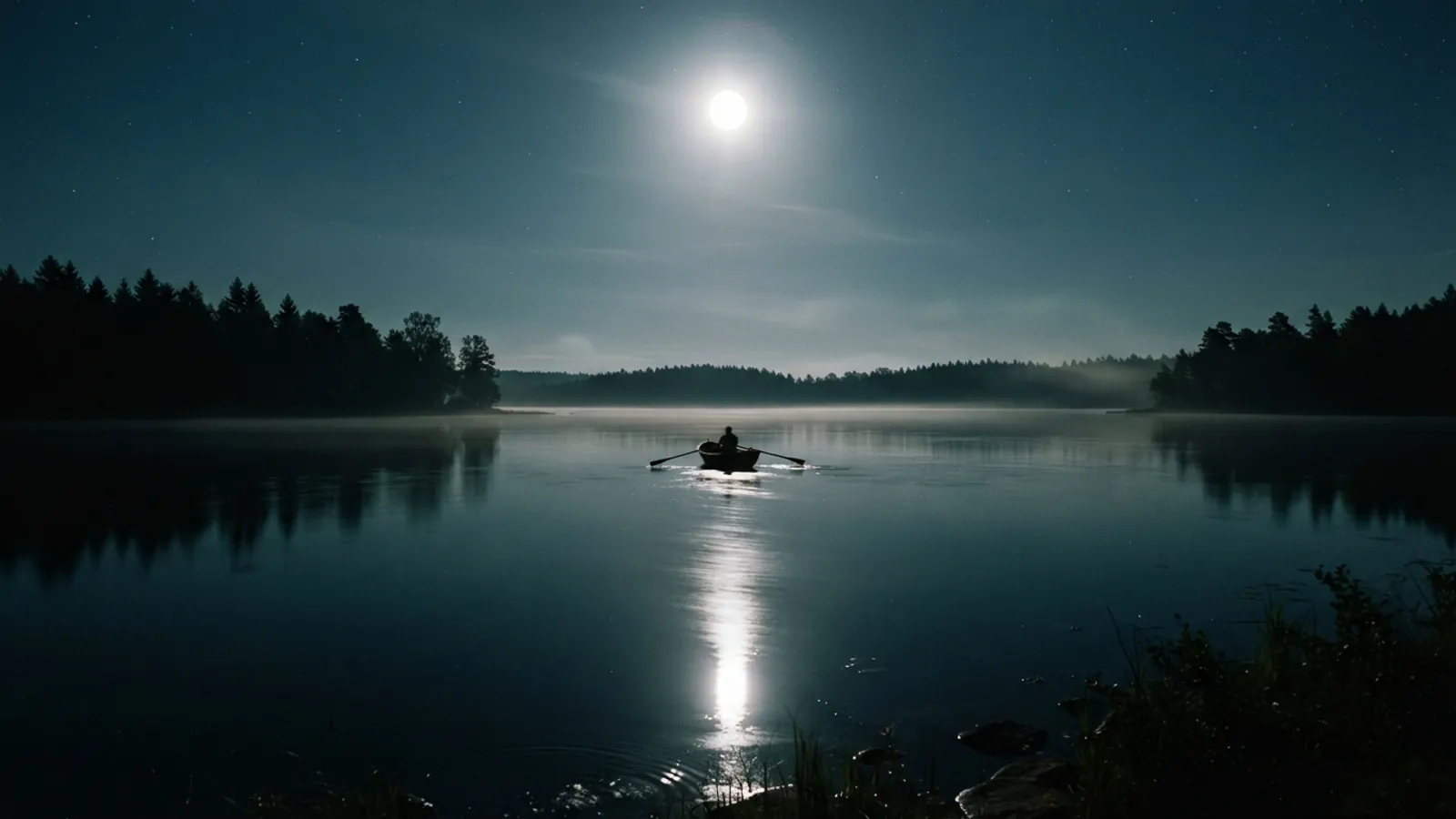
Anglers love to say, "The moon wasn't right today." Catch studies have now checked that line. For some fish the moon matters a little. For others, studies found no link.
Where the moon's effect has been measured, it's small or comes from a single lake. Water temperature, light and a passing front move the bite far more.
Knowing that saves you from planning trips around a lunar calendar while the water is six degrees too warm for your fish.
Klewa shows moonrise, moonset and the phase next to the forecast, for planning. The phase counts in the bite index for pike only and moves it by 3 percent at most. Moonrise and moonset don't count for any fish.
Location: Worldwide | Best for: Freshwater anglers | Key factors: Moon phase, night light, catch studies | Result: Realistic expectations and better-planned trips
Why anglers notice the Moon so much
The Moon itself doesn't touch a fish. If it matters, it's through what it changes:
- Night-time light levels
- How baitfish behave
- How visible predators are
- Their internal biological clocks
Those are plausible paths. How much they add up to is a question for catch data.
And a slow day after a great one usually has other causes: a front, colder water, more boats on the lake.
What the catch data say
Here's what studies of real catches found:
- Trout, USA: popular solunar tables showed no link to catch rates. Air temperature predicted better (2023).
- Muskie, North America, about 228,000 daytime catch records: up to about 5 percent more fish reported on the peak days around full and new moon. A much smaller set of night records peaked at the full moon. These records didn't count hours on the water, and in three angler surveys that did, catch per hour didn't follow the moon (2014).
- Pike, a lake in Germany, one summer: about a quarter more fish per hour than average around full and new moon. Dusk was the best time of day on its own. It's one lake, and nobody has repeated the study yet (2010).
- Walleye, Wisconsin, 13 years of records: with the moon underfoot during the trip, anglers were a bit more likely to land at least one fish. Catch per hour didn't rise, and with the moon overhead it was slightly lower. The full moon made no difference. The guide, the bait and how many of the fish had already been caught mattered much more (2021).
So the moon does show up for some fish, but the effects are small or come from a single lake. A few degrees of water temperature or the time of day change the bite much more.
Some fish do run on monthly rhythms, mostly in the sea, where tides follow the moon. In lakes the signal is weak and changes from one water to the next.
Solunar tables: what the tests show
Solunar tables mark moonrise, moonset and the moon overhead or underfoot as feeding times. Researchers have compared them with real catches:
- Trout: no link between the tables and catches
- Walleye: no more fish per hour with the moon overhead or underfoot. Overhead it was even slightly lower
- Most other freshwater fish: not properly tested yet
If a solunar window falls on your dawn trip, fine. Just don't skip a good morning because a table puts the peak at noon.
What each moon phase changes
🌑 New Moon: dark nights
- •Very dark nights
- •Pike are caught a bit more around new moon, by day and at dusk. Muskie too, but only by day
- •No pike data for the night. Klewa adds up to 3 percent to the pike index by day
🌓 First & Last Quarter: in between
- •Moderate night light
- •Between the small full- and new-moon peaks
- •Plan by water temperature and light as usual
- •Pike's low point: Klewa takes up to 3 percent off the pike index by day
🌕 Full Moon: bright nights
- •Bright nights
- •Muskie anglers report more fish at night around the full moon. That's a count of fish, not catch per hour
- •Pike: a bit more by day and at dusk, as at new moon. For walleye the full moon made no difference
- •Daytime plans barely change
Species react differently
Predators (pike, zander, bass)
- •Pike: more catches around full and new moon, fewer at the quarters. Klewa moves the pike index by up to 3 percent either way
- •Zander hunt at dusk and at night. No solid moon data for them yet. Their close cousin, the walleye, was caught no faster in any moon phase
- •Bass: tracking studies found no steady moon effect over the year
Schooling fish (perch, crappie)
- •No solid moon data for them
- •Water temperature and light matter more
Bottom feeders (carp, catfish)
- •Find food by smell and touch
- •No solid moon data for them either
- •Warm water counts for more
What the Moon does not do
Let's stay honest about it. The Moon:
- Won't fix bad weather
- Won't override water temperature and light
- Won't behave the same on every lake
At best it's a small nudge. That's why Klewa counts the phase for pike only and lets it move the bite index by 3 percent at most.
Why anglers argue about moon phases
Because the effect is small, it gets lost among bigger ones.
- One great full-moon trip sticks in memory, three slow ones don't
- A front or a cold snap easily outweighs any moon effect
The moon won't make fish bite. At most it tips the odds a little for some species.
How to actually use moon phase data
Don't ask, "Is the moon good today?" Ask instead:
- How warm is the water for my fish?
- When are sunrise and sunset?
- Is a front coming through?
- Then, if you like: when is moonrise or moonset?
That's how Klewa handles it too. Moon times sit next to the forecast for planning, and the bite index leaves them out. Only the phase counts, and only for pike. It moves the index by 3 percent at most.
Moon phases move the bite a little for some fish. For others, studies found no link. Water temperature and light matter far more. Klewa builds its forecast on those. The moon phase moves the bite index for pike only, by 3 percent at most. Moon times sit alongside for planning.
Check today's bite forecast with Klewa