Ice Fishing Tips: How Fish Behave Under the Ice
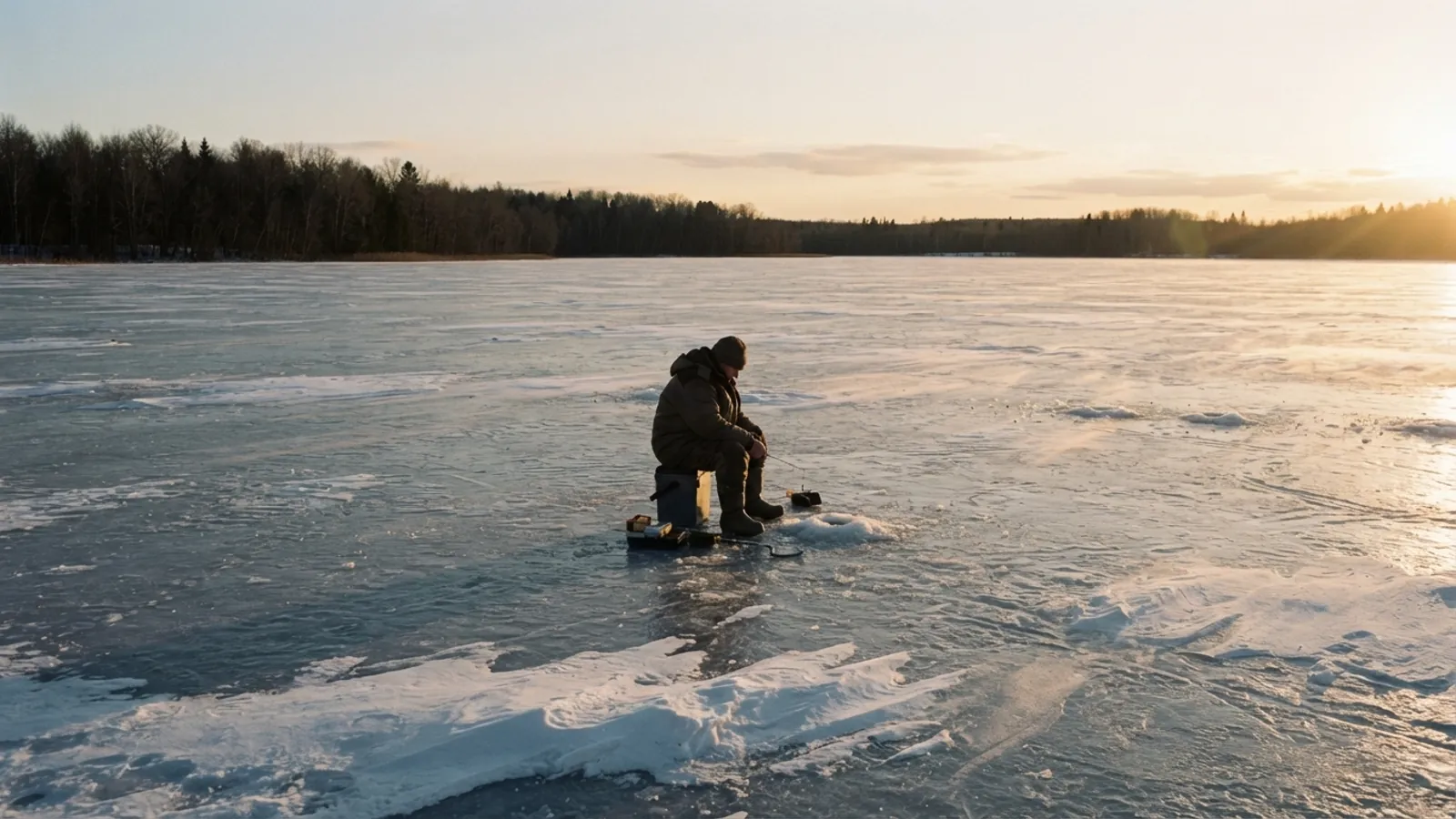
Ice fishing looks simple at first: drill a hole, drop a lure, wait. But if you've put in real hours on hardwater, you know it rarely works that way. One day the fish bite steadily, the next — nothing. Same lake, same spot, same gear.
The reason's simple: fish behave very differently under the ice.
Light barely gets through, the water stays cold and stable, oxygen slowly drops — and fish adapt. Knowing how fish behave during ice fishing is often what separates a great day on the ice from hours of staring at a dead rod tip.
Klewa's forecast weighs the modelled water temperature, the light and passing cold fronts.
Location: Worldwide | Best for: Freshwater anglers, ice fishing beginners and experienced anglers | Main factors: Ice fishing conditions, water temperature, oxygen levels, light and time of day | Outcome: Better timing, smarter decisions, more productive ice fishing trips
No ice on your water this winter? Fish still feed in open water.
Coarse fishing in winter →Why ice fishing often feels unpredictable
You've probably heard the classic ice fishing lines: "Fish don't really feed in winter." "Ice fishing is mostly luck."
That's not the full story.
Fish do feed during ice fishing season, just less than in summer. Cold water slows them down, so they eat less often and less at a time.
That's why ice fishing feels streaky. One morning the bite's on, the next morning the same hole feels completely dead.
How fish actually behave during ice fishing season
Under the ice, it's all about saving energy. Cold water slows everything down, so fish get careful and efficient.
During ice fishing season, fish usually:
- Move less and stay tight to cover
- Hold near drop-offs and depth changes
- Won't chase fast or aggressive lures
Instead of roaming the lake, they wait for easy meals.
Under the ice the bite is spread more evenly through the day than in summer. Pike stay active in daylight with no clear dawn or dusk peak, perch feed by day and hardly at night, and roach can bite after dark. For perch and roach, dawn and dusk still help a little, just less than in open water.
Ice fishing conditions that really matter
Ice anglers often say a stable day beats a "perfect" one. Studies haven't measured that well, so treat it as experience, not a rule.
What anglers usually look for on the ice:
- Calm, steady weather. Many anglers swear by it, but catch studies haven't confirmed it
- No cold front in the last day or two. After one, Klewa takes up to 10 percent off daylight hours
- Consistent water temperature under the ice
- Enough oxygen to keep fish moving
Many ice anglers trust a cold, steady day more than a mild one with changing weather. It's a fair rule of thumb, just not a proven one.
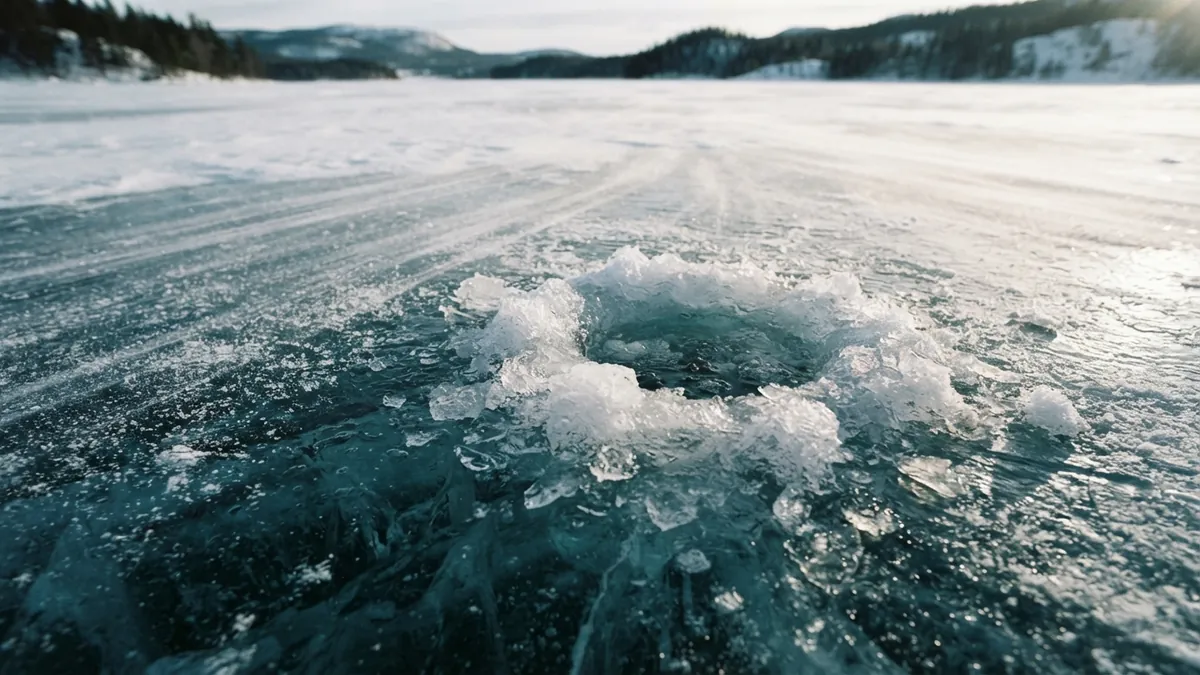
Ice fishing tips for different fish species
Ice fishing tips for pike
- •Pike stays one of the most reliable fish of the ice fishing season
- •Often waits near weed edges, structure, and drop-offs
- •Prefers slow, controlled lure movement
- •Under the ice it bites all day, not just at dawn and dusk
Pike is an ambush predator under the ice. Slow presentations and well-timed pauses usually beat aggressive jigging.
Ice fishing tips for bass
- •In areas with real ice fishing conditions, bass slows way down
- •Tends to sit deeper, where things stay stable
- •Needs a painfully slow presentation during ice fishing
- •Below about 8 °C (46 °F) it eats very little
Bass bites are rare in winter, and there's no reliable time of day for them. Keep the lure slow and give it time.
Ice fishing tips for perch
- •One of the most dependable species for ice fishing
- •Often roams in schools under the ice
- •Responds well to jigs, spoons, and subtle movement
- •Ice fishing success improves when oxygen levels hold steady
Find an active school, and ice fishing for perch can stay hot for a long time.
Why ice anglers trust steady days
The idea is that in winter fish react more to change than to the cold itself. Data on this are thin. In a summer pike study, air pressure made no difference, and in 13 years of walleye records a rising or falling barometer barely mattered. Under the ice the water temperature hardly moves, so the light and the time of day matter more than the weather.
That's why experienced hardwater anglers watch the daily pattern instead of chasing single numbers.
Ice fishing isn't luck — it's timing.
Check today's ice fishing forecast with Klewa